
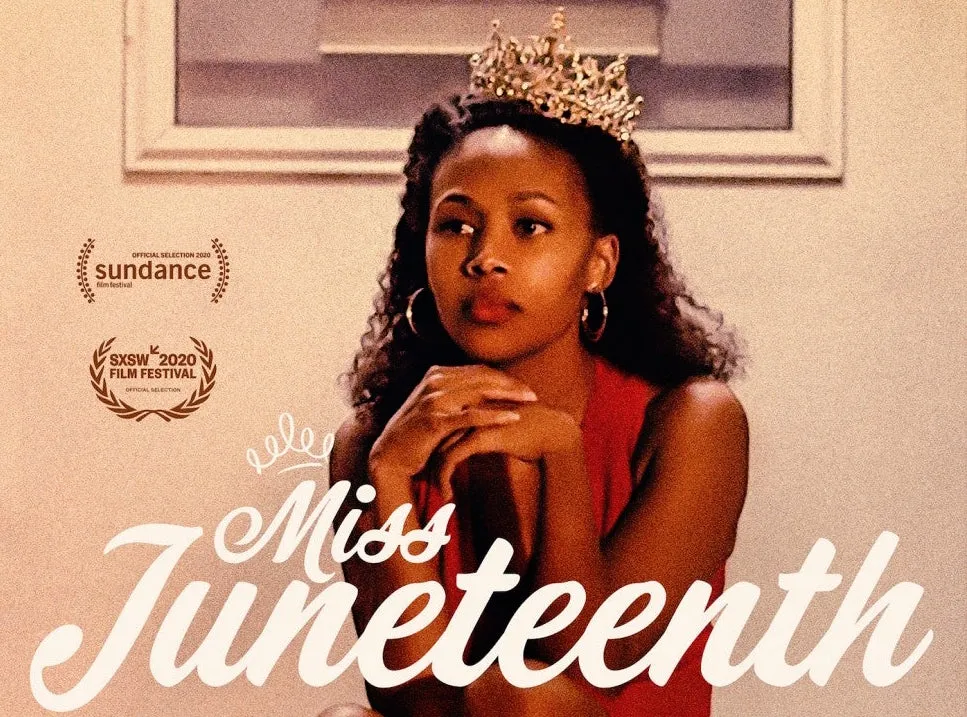
- Miss Juneteenth follows a mother’s journey to preserve traditions for her daughter, creating personal connections.
- The Small Ax anthology showcases the diverse Black experience, from a pioneering black police officer to a lively house party.
- Both films offer powerful examinations of identity, endurance and the richness of the black diaspora.
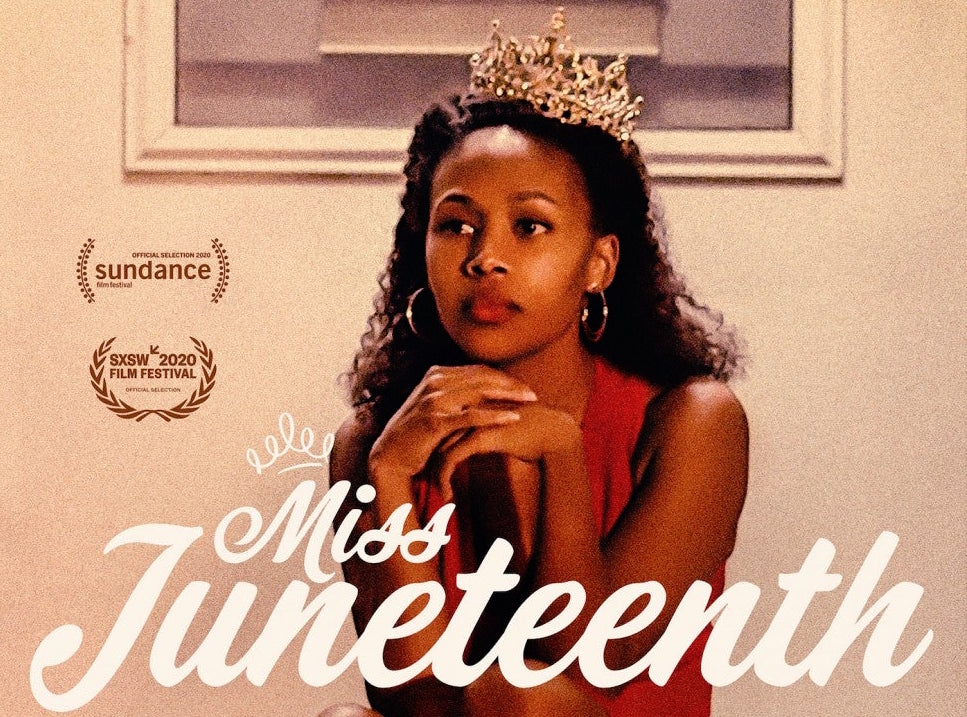
From a Texas pageant celebrating freedom to a lively London house party soundtracked by reggae classics, BOSSIP and Cassius’ latest episode of The black watch takes a global look at stories centering the black experience on this June holiday.
Today, the brands released a new installment of their editorially-led series that examines notable film and television projects through thoughtful discussion and cultural commentary.
The latest episode brings together the BOSSIP Managing Editor Dani Canadaexecutive producer Serita Wesleyand comedian-writer Richard Jones for a conversation centered on Miss Juneteenth and Steve McQueen’s acclaimed anthology Hatchet.
“We discuss films that cover the Black experience around the world in today’s episode of The black watch“, Dani says at the start of the discussion. “Because it’s Juneteenth, we thought it would only be appropriate to revisit or maybe watch movies about the African-American celebration for the first time.”

The conversation begins with Miss JuneteenthChanning Godfrey Peoples’ acclaimed drama starring Nicole Beharie as Turquoise Jones, a former beauty queen determined to give her daughter opportunities she never had.
Reflecting on the film’s party-centric story, Richard revealed that it struck a particularly personal nerve.
“I was triggered,” he joked. “First of all, I’m from the South. I live in Memphis, Tennessee. Second, I grew up bougie, okay? Jack and Jill, homecoming ball…”
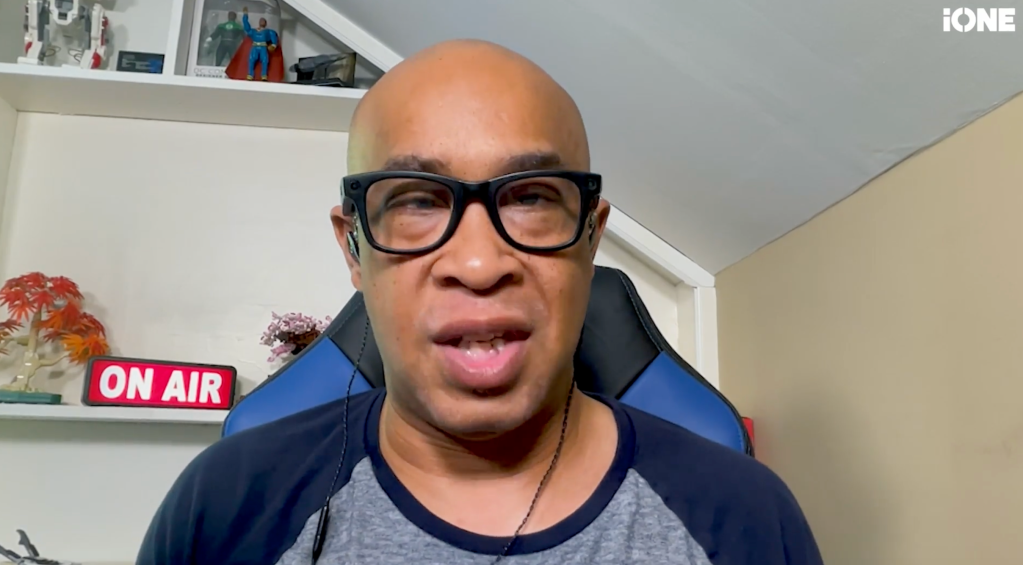
That confession quickly turned into one of the funniest moments of the episode when Richard launched into an impassioned rant about Maya Angelou’s iconic poem Phenomenal womanwhich is prominent in the film.
“My deep contempt for Phenomenal womanRichard declared before reciting part of the poem from memory. “That poem can kiss me.”
However, Dani found herself sympathizing with Turquoise’s determination to preserve traditions she considered important.
“Turkis was very passionate about Phenomenal woman” Dani noted. “My heart went out to her because her daughter was like, ‘I don’t understand.'”
Serita praised the film’s emotional core and the sacrifices at the center of Turquoise’s journey.
“I like how it all played out and you just got to see that it’s really about a mother’s love and what she was willing to do for her child,” she said.
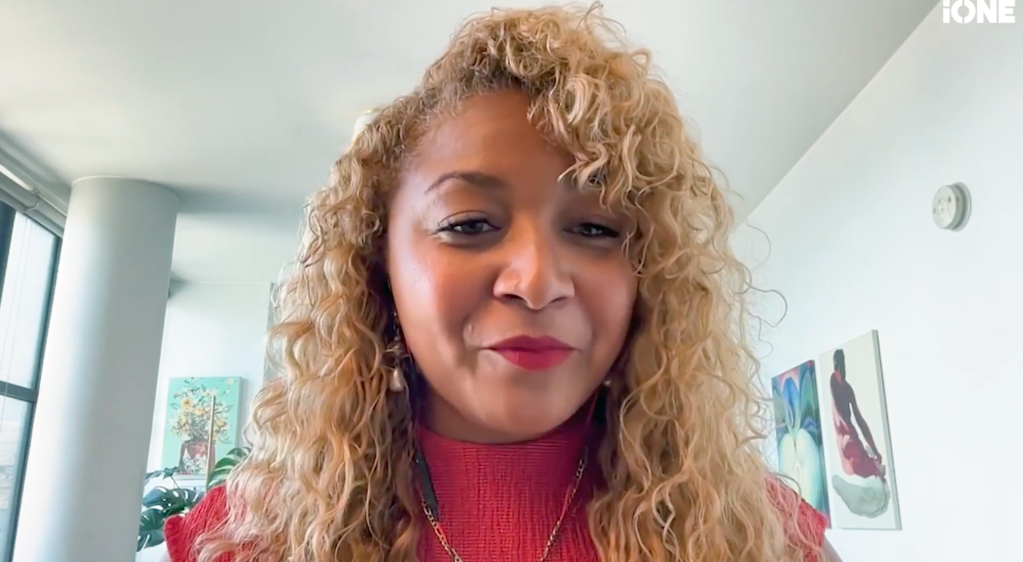
The conversation later devolved into a discussion of Kendrick Sampson’s character, prompting both praise and playful frustration from the panel.
“Kendrick Sampson, oh my God. He pissed me off,” Dani joked. “You fine scoundrel, how dare you!”
“It’s the damn eyes,” she added.
Richard quickly agreed.
“I’ve got a daughter and the first thing I’m about to tell her is you better watch out for those light skinned n****s with green eyes.”
Beyond the laughs, Richard also praised the film for avoiding what he called one of his least favorite storytelling pitfalls.
“I like that it was constantly teetering on the edge of being poverty, which I hate,” he said. “I can’t stand poverty, and managed to hit some of those tropes, but didn’t quite fall into that trap.”
Instead, he argued that the film succeeds because Turquoise remains a fully realized character rather than a symbol of struggle.
The panel also discussed possible Miss Juneteenth deserves a second look from audiences who may have overlooked it upon release.
“Overall, this movie was a bit of a sleeper,” Dani said. “I don’t know if it got enough press or people heard enough about it.”
“Absolutely,” Serita replied when asked if viewers should revisit it for Juneteenth. “I do.”
She also pointed to Nicole Beharie’s growing profile in Hollywood as another reason why the film feels ripe for rediscovery.
“I think also because the main character has obviously become more popular, Nicole, since the movie came out,” Serita explained. “The resolution is so great. The resolution is perfect.”
The discussion then shifts abroad as the panel revisits Steve McQueen’s Hatchetthe acclaimed anthology of five films chronicling the lives of West Indian immigrants and their descendants in London.
“Now let’s switch gears here and talk about another film focusing on the Black experience,” says Dani. “I would like to talk about the anthology series Hatchet that emerged during the pandemic. It was directed by Black Brit director Steve McQueen.”
When asked to pick a favorite installment, Serita singled out Educationthe coming-of-age story of a young Caribbean boy who is mistakenly pushed into a school for students deemed less academically capable.
“My favorite was Education” she said. “I loved it. I felt like I could relate to that.”
Serita revealed that the story resonated with her because of her own childhood experiences navigating the education system.
“As someone who at one time went to a school where they tried to tell my mom she belonged in this other class, not this class — and she said, ‘I wish you would’ — it was really nice to see black women come together and fight for their kids.”
“It struck a chord with me. It made me a little emotional.”

Richard chose Red, white and blue like his outstanding delivery, praising John Boyega’s portrayal of Leroy Logan, one of London’s first black police officers.
“The episode that stood out to me the most was Red, white and blue“, Richard explained. “It was about this gentleman named Leroy, who was one of the first black police officers in London back in the 80s.”
Richard was particularly intrigued by the character’s decision to join the very institution that had brutalized his family.
“To fight corruption in that system, he decides to become a police officer despite his father’s disapproval,” he said.
The conversation also led to a broader discussion about how racism and police brutality extend beyond the United States.
“I had no idea,” Richard admitted. “We as Americans, especially black Americans, think that racism is something that we unfortunately own. Police brutality is something that we own. Not understanding that it’s largely a universal phenomenon.”
“Absolutely,” replied Serita. “White supremacy cannot be stopped. It is certainly international.”
Richard also praised Boyega’s performance, calling it one of the actor’s strongest roles to date.
“To see him approach this role with a level of vulnerability that I’ve never seen him portray on screen before was just a beauty to behold,” he said, later adding that he remains frustrated with how Boyega was handled within Star Wars franchise.
Dani’s favorite post was though Lovers Rockthe beloved installment centered on a massive house party in 1980s London.
“My favorite, bar none, was Lovers Rock” she said.

Dani praised the film’s portrayal of black joy, community and the underground party culture that flourished because black Londoners were often excluded from white nightlife.
“They get the sound system, they get the food, they get all this great music,” she explained. “More than that, it’s really about the black joy they had at these house parties.”
She also noted that while the film captures romance and youthful energy, it never loses sight of the realities that made these spaces necessary.
“It really emphasizes what happened at the time and how they had to have a place to enjoy themselves where it was safe,” Dani said.
Ultimately, the panel agrees that both Miss Juneteenth and Hatchet offers powerful explorations of identity, family, perseverance, and community while highlighting the diversity of stories found throughout the black diaspora.
Watch the latest episode of The black watch under.









Leave a Reply