

Family dynamics and parenting style can be nuanced, but the the main secret behind happy parent-child relationships is less complicated.
Children look to their parents for everything. Yes, their emotional needs and sometimes entertainment, but also for a role model and in awe of building their own goals. When adults are raised in happy households, they usually grew up hearing certain old-fashioned phrases on repeat, as well as seeing certain routines play out over and over again. And all these incidents have shaped the person they are today.
Adults raised in happy households grew up hearing old-fashioned phrases on repeat
1. ‘Being nice costs nothing’
 PeopleImages | Shutterstock
Regardless of the circumstances at home or the situations children faced, happy adults almost always heard “being nice costs nothing” from compassionate, good parents. Especially in a culture where poverty and low-income situations can degrade cognitive abilities and lower mood or general mental healththose kinds of feelings can be a light at the end of the tunnel.
They can offer young people the opportunity to practice social skills, but also harvest the positive benefits of good, meaningful connections without much effort. It becomes second nature to lean into connection instead of running from it.
2. ‘Don’t cry over spilled milk’
Many children grow into anxious, perfectionist adults when their parents demonize their faults. They feel like missing something at work or making mistakes are negative reflections on their character, rather than being harmless mistakes they can learn from.
But children who grew up in happy home with understanding parents has a very different relationship to taking responsibility. They’ve been told phrases like “don’t cry over spilled milk” all the time, and in return they’ve built a kind of comfort with challenges and mistakes that make them better today.
Seam a study from Psychological Science suggests that they may invest in the discomfort of growth and challenge themselves more often because they do not believe that failure is a character flaw or something that should diminish their self-esteem.
3. ‘If you don’t have anything nice to say, don’t say anything at all’
Remembering to focus on happy moments and thoughts often compensates our brain is wired with negativity. That’s why having parents remind you of it sometimes suppress negative thoughts and keeping internal judgments to yourself is so important at impressionable stages in life.
When we’re told something like, “if you don’t have anything nice to say, don’t say anything at all,” it may not stop us from thinking a bad thought or complaining, but over time we start to retrain our brains to be a little bit more positive. We stop giving space to so much negativity and instead focus on the positive things we can say and do.
4. ‘If your friends all jumped off a cliff, would you?’
Even though it was the last thing most kids wanted to hear, next to “no” when asking to go out with friends or after getting used to some kind of peer pressure failure, it taught them something. The happiest adults are those who can think for themselves and make decisions without being pressured into what everyone else wants.
These parents taught their children to take responsibility for themselves, even when it was easy to follow the pack. Whether it was a harmless choice or a more consequential action, these parents taught their children how to be responsible, and they are better for it today.
5. ‘End of discussion’
 Press Semester | Shutterstock
While it seems ironic that the happiest adults today grew up in households with parents who said “stop arguing,” it’s true. Yes, children also need to learn to have tough conversations and see how conflicts are resolved at home. But the kind of conversations where a parent lays down the law and doesn’t take any criticism teach children to both respect authority and also regulate their own emotions.
They had to deal with the discomfort of not getting their way or having no room to push back, and it took a lot of trial and error. Today, it is adults with these regulatory skills and emotional intelligence, according to a study from 2024are happier and healthier.
6. ‘Your eyes were bigger than your stomach’
While many of the food police phrases and eating mentalities grown kids faced at home were less than ideal, phrases like this are actually healthier than they seem. Usually, when children put more food on their plates than they can eat, a parent saying “your eyes were bigger than your stomach” teaches them to tap into the mind-body connection.
Instead of making them finish everything on their plate or taking away their agency around meals, these parents taught their children to tap into hunger cues. They gave space for them to practice moderation and communication with their own bodies.
7. ‘Don’t be sad, just do it’
Many old parents were duller than the gentle ones of today, but that doesn’t necessarily mean they didn’t create happy homes. In fact, in close relationships, directness is a form of kindness. “Don’t be sorry, just don’t do it” taught children to never apologize too much or complain, especially without changing their behavior.
They are more responsible, self-reliant adults today because they don’t need the forgiveness of others to move forward. They don’t need to complain to feel heard. They can just change things that need to be changed and make their lives better on their own.
8. ‘Count Your Blessings’
While “count your blessings” was sometimes weaponized as a kind of threat in old-fashioned households, in happy households it was a reminder to be appreciative. It was a moment’s perspective for occasionally spoiled children. It was a break to teach children to express gratitude and take stock of what they had to someone who had nothing.
It’s no surprise that these grown children are still happy today, at least according to them Harvard health experts who agree that expressing gratitude predicts better health and happiness.
9. ‘Good things come to those who wait’
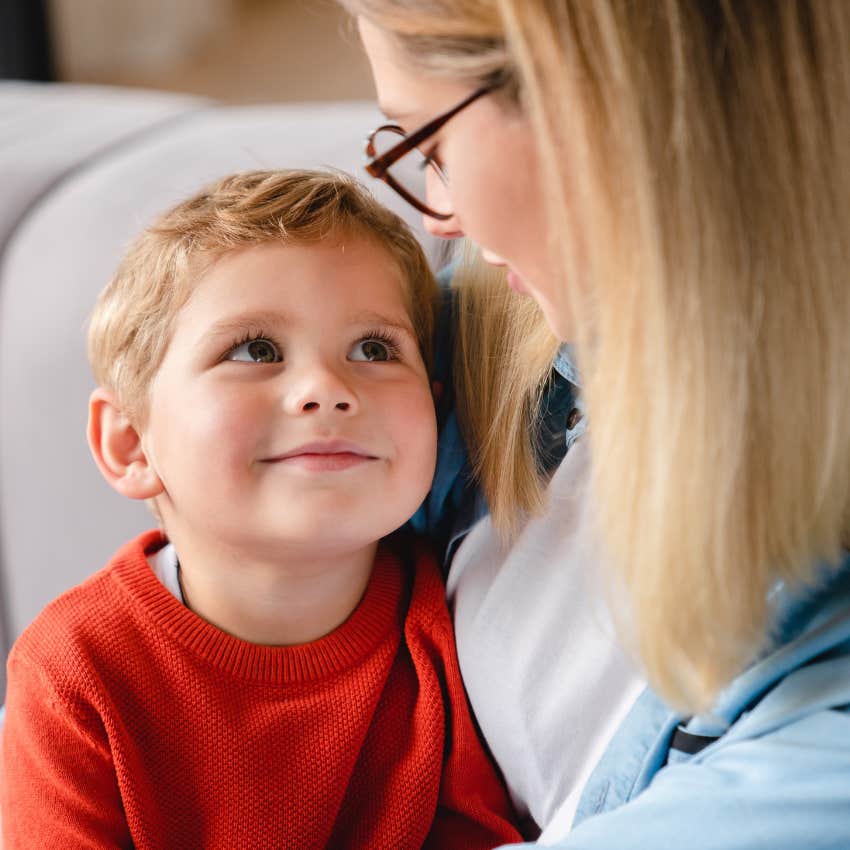 Inside the creative house | Shutterstock
Compared to the need for instant gratification and constant entertainment that many young children struggle with today, old school children learned to be patient and kind by hearing phrases like this early in life. “Good things come to those who wait” was often a parenting tactic, but it was also a conscious reminder of the power of waiting.
Children also develop better emotional regulation skills from practice waiting and being patient as children. Even if it’s by watching happy parents practice patience themselves, everyone thrives when they can sit still and wait.
10. ‘Take the high road’
When it’s easy to go low or be critical, the best parents teach their children the power of the high road. They remind their children how to be compassionate even when it’s the hardest choice, whether it’s in arguments with friends on the playground or family disputes with siblings.
Adults raised in happy households were taught to be kind, and they are this inner empathy and compassion who continue to make their lives better today.
Zayda Slabbekoorn is a senior editorial strategist with a bachelor’s degree in social relations & politics and gender studies, focusing on psychology, relationships, self-help and human interest stories.










Leave a Reply