
/www.oggi.it/assets/uploads/202606/e8ef6f8ce342e0a936911ce0aca4600c.jpg)
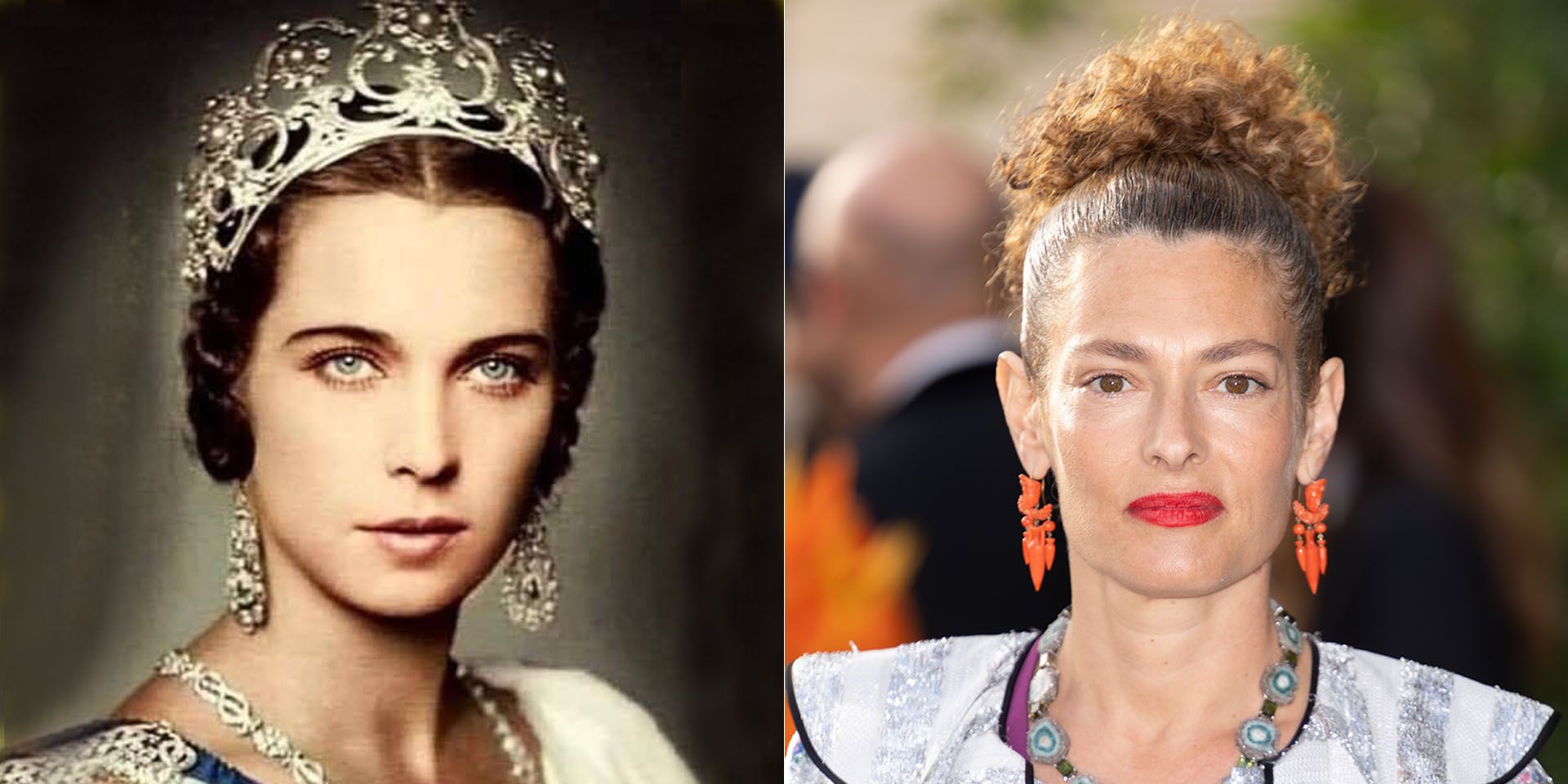
Maria José of Savoy and Ginevra Elkann
All the best of the Italian language from the debut of Repubblica and the recent film by Marco Bellocchio, Majesty. The recent director also won over the public with Enzo Tortora’s story in the series Portobello (on HBOMax) and a complete picture of the scene and a scene from the biopic of Maria Josè di Savoia, accompanied by Ginevra Elkann.
The story told in Maestà
Come and discover Emanuele Filiberto’s book as soon as it arrives in the bookstoreMaria José of Belgium, known as the “May Queen”, had the shortest reign since the Peninsula was unified, because she remained on the throne for only 27 days in 1946 (to be precise from 9 May to 18 June). Yet she is remembered by the people as an “anti-fascist queen” for her ideas that challenged the regime of Benito Mussolini and consequently also the alliance with Adolf Hitler. It is only a step-by-step marriage with Umberto of Savoy, figure of Vittorio Emanuele III, but it is still a matter of time. A little intolerant of the rigid etiquette of the Italian monarchy, he decided to personally educate his four children. A safe point to deal with the supported and a coup d’état to overturn the Duce’s government. When, after exile, she reigned for a very short period of time, she already knew that the Peninsula would become a Republic and so she went into exile (for 41 years) and then separated from her husband. Barbara Bobulova and then Aurora Ruffino were the first to lend her face on TV.
/www.oggi.it/assets/uploads/202606/a636fe6cb45db3505db9f276fcb78f77.jpg)
Emanuele Filiberto of Savoy with his grandmother Maria Josè (Today)
What Bellocchio’s film focuses on
The reason why Marco Bellocchio chose Maria Josè of Savoy as the protagonist of his new project was explained by Lazy himself: «I have often thought of Maria Josè the “Queen of May” of that majesty that she had certainly dreamed of since she was a child and was destined for by her very democratic parents, the king and queen, the majesties of Belgium. This fairy tale will dramatically shatter in her marriage to Prince Umberto. The brutality of fascism, the racial laws, the atrocity of war until that May with no more dreams, but still strong with some illusions. In short, Your Majesty, it is very rich in images, a human material that is still very much alive.” Ginevra Elkann echoes him: «Maria José of Savoy was an intelligent, cultured woman, born and prepared to reign – and what a queen she was, but only for a few weeks. The film was shot alone: May 1946, so with the success of the film and the referendum, it was a great monarchy. Everything is concentrated in those weeks: the hopes and doubts, the fracture between wanting to be queen and realizing, day after day, that the conditions no longer exist. Her tragedy is not defeat, but awareness: knowing that she was born for something that won’t happen. Telling Maria José’s story means showing the end of a world through the face of a single person – with respect for intelligence, without nostalgia and without condemnation.”
A modern and dramatic character
Chiara Barzini, the screenwriter, adds: «Coming without having to worry about a dramatic character so that the story is irreversible? I am interested in helping you with your help throughout your world, and you are very careful with your crack and your decline, but you can continue with your emotional ties. Maria José stands apart from this category of suspended figures. Modern, cultured, anti-fascist and politically lucid, she understands that after the catastrophe of the war, continuing to cling to the illusions of the monarchy is now anachronistic. Yet she also remains the young Belgian principalsa who had dreamed of Italy since childhood. In this sense the film not only tells the story of the end of the Italian monarchy, but also the universal difficulty of separating ourselves from the image we have constructed of our destiny. It will be fascinating to explore this internal oscillation through everyday life, the gestures and thoughts of those few weeks as queen.”









Leave a Reply